
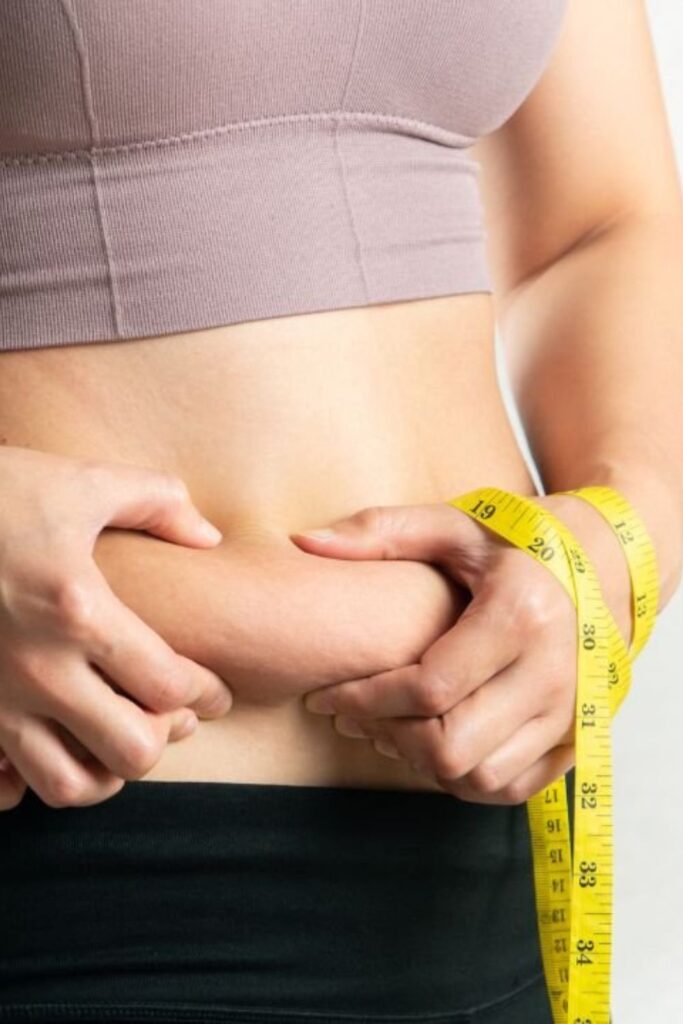
Walk into any Indian kitchen and you will find someone sipping ginger chai, fennel water or tulsi kadha after a heavy meal. So it is natural to ask whether these drinks can shrink your waistline too.
Can Herbal Tea Help With Belly Fat?
No tea, food or exercise can target fat from one body area. Herbal tea works best as a sugar-free replacement for sweet drinks, alongside balanced meals, movement and good sleep.
Belly fat comes down to overall energy balance, genetics, hormones, stress and sleep. A cup of tea cannot override these. What tea can do is make your day a little healthier in small, practical ways.
How Does Herbal Tea Support a Healthy Lifestyle?
Think of herbal tea as a helper, not a solution. Its value lies in the habits it builds.
Replacing Sugary Drinks
Sweetened chai, cold drinks and packaged juices add calories quickly without keeping you full. Swapping one or two of these a day for unsweetened herbal tea cuts those calories. Over weeks and months, that small change can matter
Supporting Daily Hydration
Many people forget to drink enough fluids, especially in air-conditioned offices. A warm, flavourful tea makes it easier to drink more through the day. Hydration also helps you tell real hunger apart from thirst.
Building Healthy Daily Habits
A fixed tea time gives you a calm pause. That ritual can replace mindless snacking or a stress-driven biscuit break. Habits like this tend to last longer than strict diets.
Which Herbal Tea Ingredients Are Commonly Used?
Many blends use familiar kitchen herbs. Here is what each is known for, and where the evidence stops.
Ginger
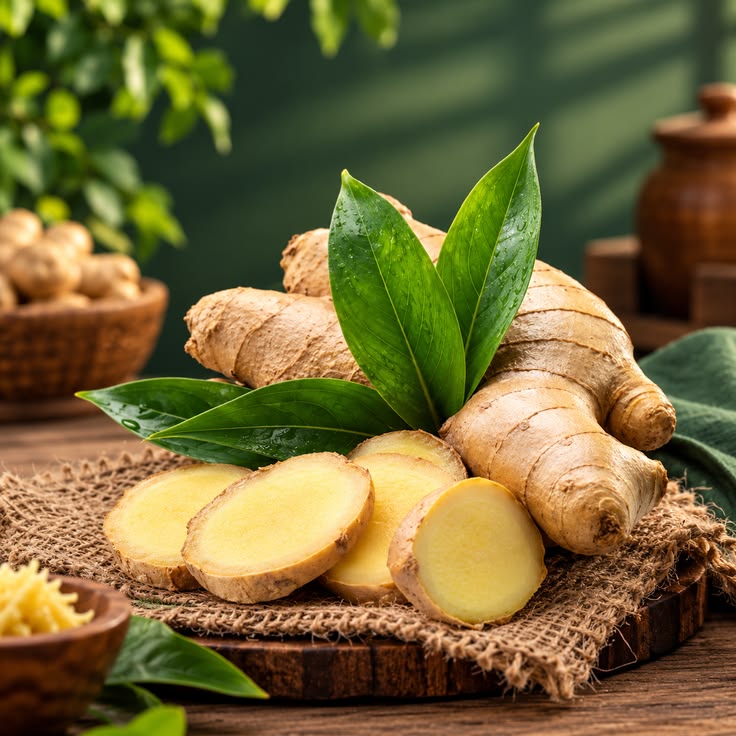
A fixed tea time gives you a calm pause. That ritual can replace mindless snacking or a stress-driven biscuit break. Habits like this tend to last longer than strict diets.
Fennel
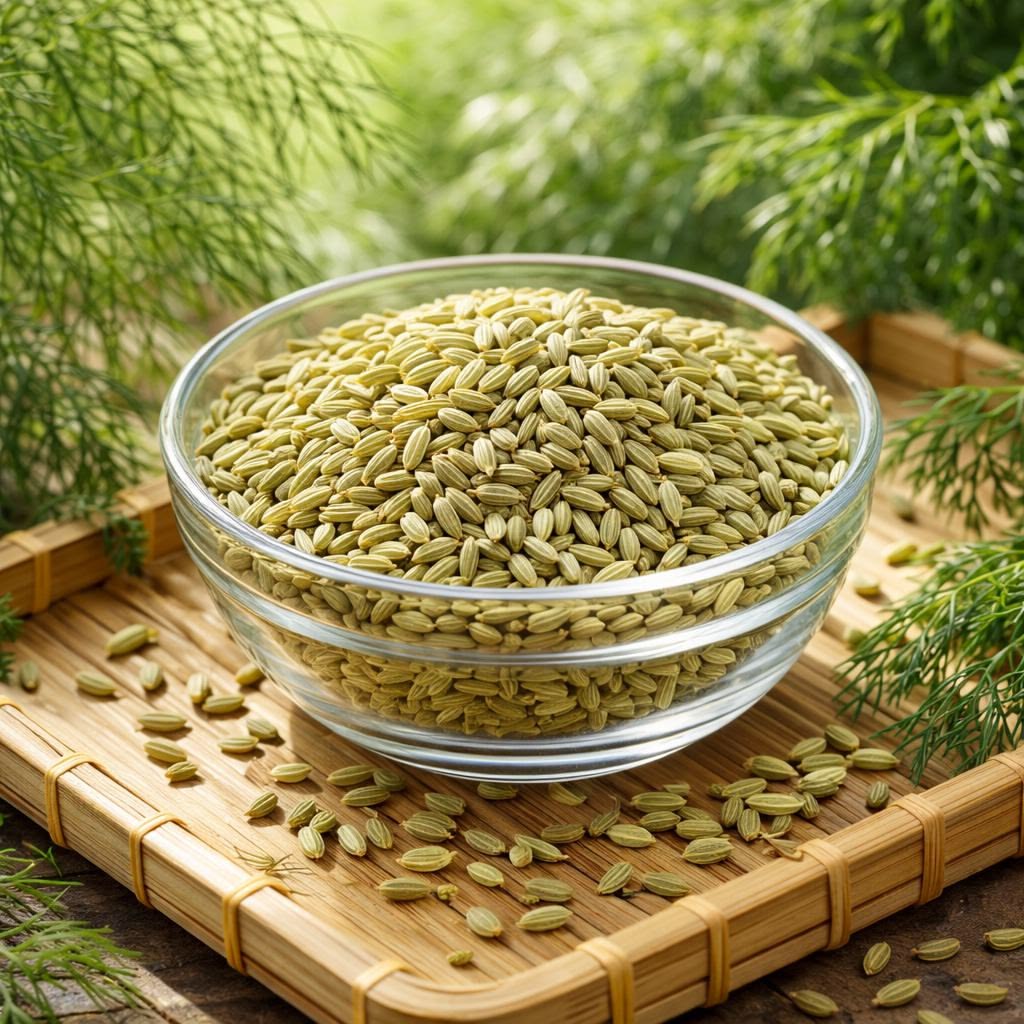
Fennel (saunf) is an Indian after-meal staple. Traditionally, people chew it or sip it as tea to feel lighter after eating. Its use for digestive comfort is mostly traditional, and strong human trials on fat loss are lacking.
Cumin
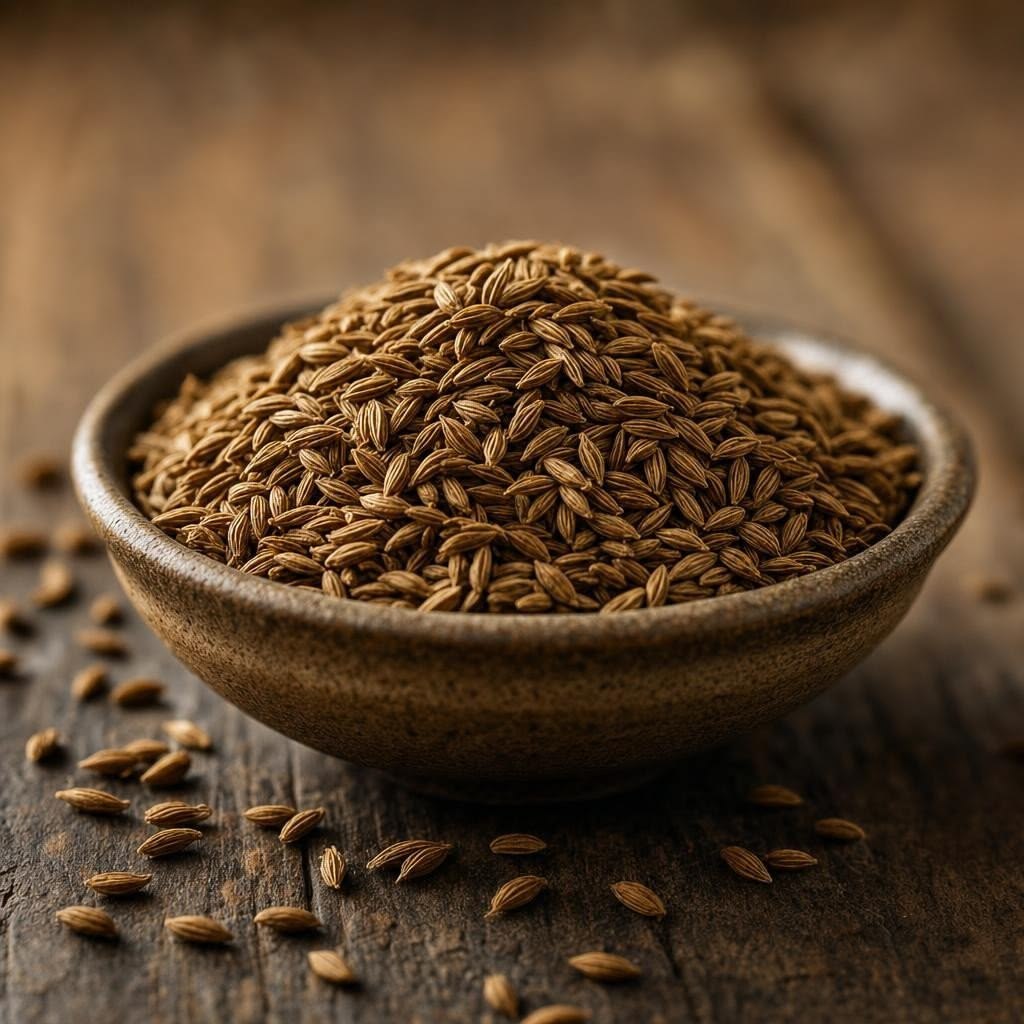
Cumin (jeera) water is a popular home drink in India. Ayurveda links it with digestion. Some small studies exist, but they are not enough to say cumin burns belly fat.
Tulsi
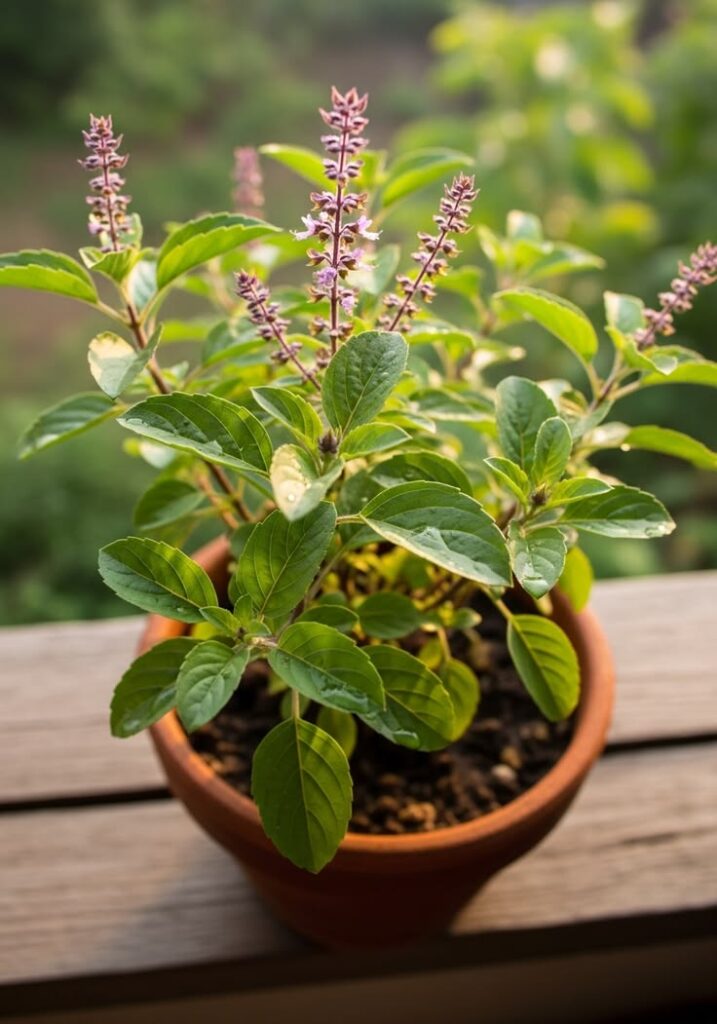
Tulsi (holy basil) is valued in Ayurveda as a wellness herb, often used for everyday balance and seasonal comfort. Human research on tulsi and weight is still limited, so treat it as a pleasant, traditional addition rather than a fat-loss tool.
Green Tea
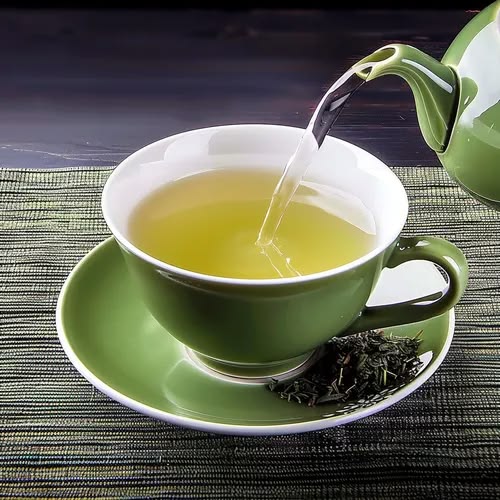
Green tea (Camellia sinensis) is the most studied tea for weight. It contains caffeine and catechins. NCCIH notes that studies of green tea for weight loss show little to no meaningful effect. Technically, it is a regular tea and not an herbal tea, though many blends include it.
Quick note on safety: Green tea extract supplements have been linked to liver problems in rare cases. Drinking brewed tea is a different matter, but concentrated extracts deserve caution.
What Does Science Say About Herbal Tea and Belly Fat?
The honest answer: the evidence is modest.
- Green tea has the most research, and the overall results for weight loss are small or inconsistent.
- Ginger, fennel, cumin and tulsi have long traditional use, but good-quality human studies on belly fat are limited.
- Many studies use extracts or high doses, which are very different from a cup of tea.
- Weight loss in studies usually comes alongside diet and exercise changes, so tea cannot take the credit alone.
The NIH Office of Dietary Supplements and NCCIH both stress that “natural” does not automatically mean effective or safe. Traditional use in Ayurveda is valuable cultural knowledge, but it is not the same as proof from clinical trials.
Herbal Tea for Belly Fat vs. Belly Bloating
These two are often confused, but they are different.
Belly fat is body fat stored around the abdomen. It builds up slowly over months or years and does not change much from morning to evening.
Belly bloating is a temporary feeling of fullness or swelling caused by gas, water retention or slow digestion. It can rise and fall within a single day.
Herbal tea for digestion and bloating may help you feel more comfortable, especially after meals. That is a different goal from reducing fat. If your tummy looks flatter after a cup of fennel tea, bloating likely eased. Fat has not melted away.
Persistent bloating can also signal food intolerance, constipation or another health issue. If it keeps returning, speak to a doctor.
How to Choose an Herbal Tea for Everyday Wellness
Not all blends are equal. Keep these points in mind:
- Read the ingredient list. Look for clearly named herbs, not vague “proprietary blends.”
- Check for added sugar, flavourings or artificial colours.
- Watch for caffeine if you are sensitive. Green tea contains it, while ginger, fennel and tulsi do not.
- Be wary of big promises. Phrases like “melts belly fat fast” or “guaranteed weight loss” are red flags.
- Look for transparency: batch details, sourcing information and clear usage instructions.
- Start small to see how your body responds.
Can You Drink Herbal Tea Every Day?
For most healthy adults, 1–3 cups of a simple herbal tea a day is generally fine. Variety helps, so you do not rely on one herb heavily.
Some people should check with a doctor first, including those who are pregnant or breastfeeding, taking regular medicines (especially blood thinners or diabetes medication), or living with a medical condition. Herbs can interact with medication even when they are natural.
Frequently Asked Questions
1. Can herbal tea help reduce belly fat?
Herbal tea may support weight management when it replaces sugary drinks and fits into a healthy lifestyle. However, it cannot target belly fat directly. Real changes come from balanced eating, regular activity, enough sleep and stress management over time.
2. Which herbal tea is best for belly fat?
No single tea is proven best for belly fat. Ginger, fennel, tulsi and green tea are popular choices, each with different traditional or digestive uses. The best option is one you enjoy, without added sugar, that suits your health needs.
3. Does Ayurvedic tea help with belly fat?
Ayurvedic teas use herbs traditionally linked with digestion and wellness. These uses come from long-standing practice, not always from clinical trials. An Ayurvedic tea can be a healthy daily habit, but it is not a shortcut to losing belly fat.
4. Can herbal tea reduce belly bloating?
Some herbal teas, such as ginger and fennel, are traditionally used to ease digestive discomfort and may help you feel lighter after meals. This relates to bloating, not fat loss. Ongoing or painful bloating should be checked by a doctor.
5. Is green tea better than herbal tea for weight management?
Green tea has more research behind it, but results for weight loss are small and inconsistent. Herbal teas are usually caffeine-free and gentler. Neither is a magic solution, so choose based on taste, caffeine tolerance and your health.
6. Should herbal tea replace meals?
No. Herbal tea is not a meal replacement. Skipping meals can lead to fatigue, overeating later and nutrient gaps. Enjoy tea alongside balanced meals, not instead of them.
Conclusion
So, can herbal tea help with belly fat? It can play a small supporting role, mainly by replacing sugary drinks, keeping you hydrated and building calm daily habits. It cannot spot-reduce fat from your stomach.
The healthiest approach is simple: eat balanced meals, move daily, sleep well and manage stress. Let herbal tea be a warm, enjoyable part of that routine, not the whole plan.
Medical disclaimer: This article is for general information only and is not medical advice. Herbal teas can interact with medicines and may not suit everyone. Consult a qualified healthcare professional before changing your diet or starting any herbal product, especially if you are pregnant, breastfeeding or have a health condition.