
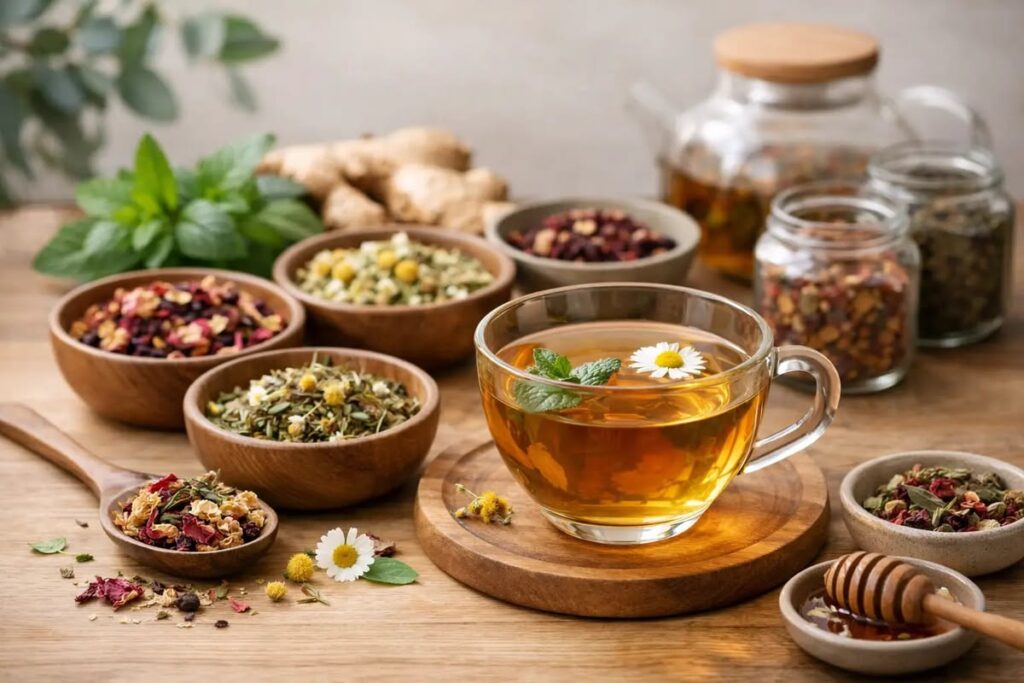
Many people in India drink tea every day. Some enjoy a cup in the morning, while others prefer tea after meals. But can herbal tea also support healthy weight management?The answer depends on the type of tea you choose and how you use it.Green tea, ginger tea, hibiscus tea, and Ayurvedic herbal blends have become popular among people looking for healthier beverage options. Some teas contain plant compounds that researchers have studied for their possible health benefits. Others offer a simple way to replace sugary drinks. However, no herbal tea can guarantee weight loss on its own.
In this guide, we will explore the best herbal teas for weight management, their potential benefits, the science behind their ingredients, and how to choose a tea that suits your daily routine.
Can Herbal Tea Help With Weight Loss?
Herbal tea may support healthy habits, but it does not directly melt body fat.Some teas contain natural compounds that researchers have studied for their effects on metabolism and fat oxidation. Green tea, for example, contains catechins, including EGCG, along with caffeine. Studies suggest that these compounds may have a small effect on body weight, although the results vary.A review of clinical studies found that green tea preparations produced little or no meaningful weight loss in many populations. Therefore, you should not expect green tea or any other herbal beverage to deliver dramatic results.
Herbal tea can still offer practical benefits. When you replace sugary drinks with unsweetened tea, you can reduce your intake of added sugar. You can also enjoy a warm or refreshing beverage without adding many calories.
The key takeaway: Herbal tea can complement a balanced lifestyle, but it cannot replace nutritious food, regular movement, sufficient sleep, or other healthy habits.
6 Types of Herbal Tea for Weight loss
Different teas contain different ingredients, and each offers a different experience. Let’s look at six popular options and what research actually tells us about them.
1. Green Tea
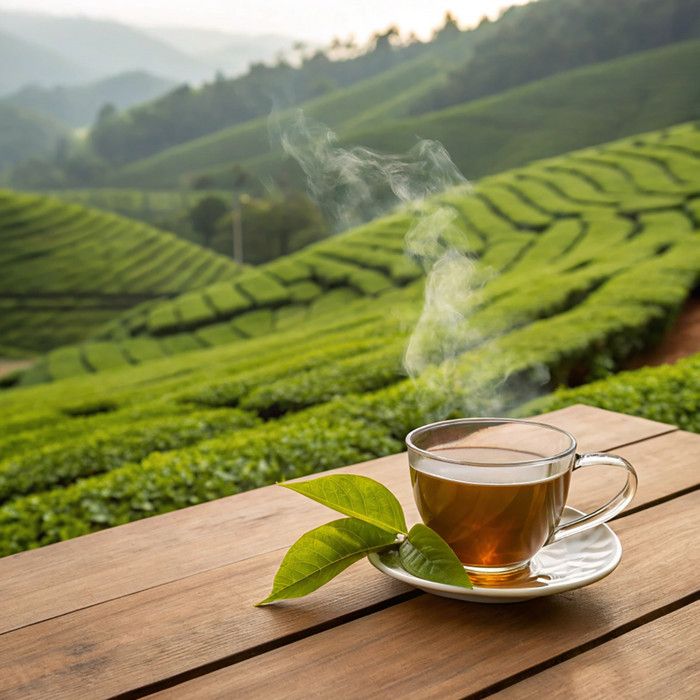
Green tea is among the most studied teas for weight management. It includes catechins, which are a collection of plant chemicals, and caffeine that occurs naturally in it.
The researchers have looked into if these compounds assist the physical body in utilizing energy as well as melting fat. On some occasions researchers see small benefits but the evidence does not support claims that the pounds will drop off quickly and easily.
2. Ginger Tea

Ginger has always been a common ingredient used in Indian kitchens. It is commonly added to tea and other drinks for its warm taste.
Ginger is rich with natural gingerols. Ginger has been researched for various potential health effects, including those related to digestion and body weight. That said, research on humans is still in its early stages and we cannot definitively say that drinking ginger tea by itself results in a significant amount of weight loss.
3. Oolong Tea
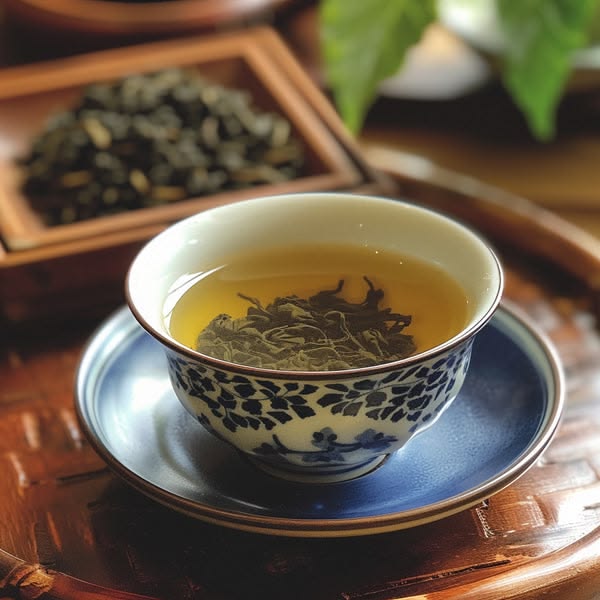
Producers of oolong tea partially oxidise its leaves, which allows for a flavour somewhere between that of green tea and black tea.
It has Tea polyphenols including catechins and much more. A handful of small studies have examined its impact on energy expenditure and fat oxidation but researchers still say more conclusive evidence is needed in demonstrating that weight-loss effects.
Oolong tea is suitable for those who like conventional tea and are looking for something new.
Note: Oolong is caffeinated as well. If you are sensitive to caffeine in the night or want a caffeine-free option, use one that is decaffeinated.
4. Hibiscus Tea
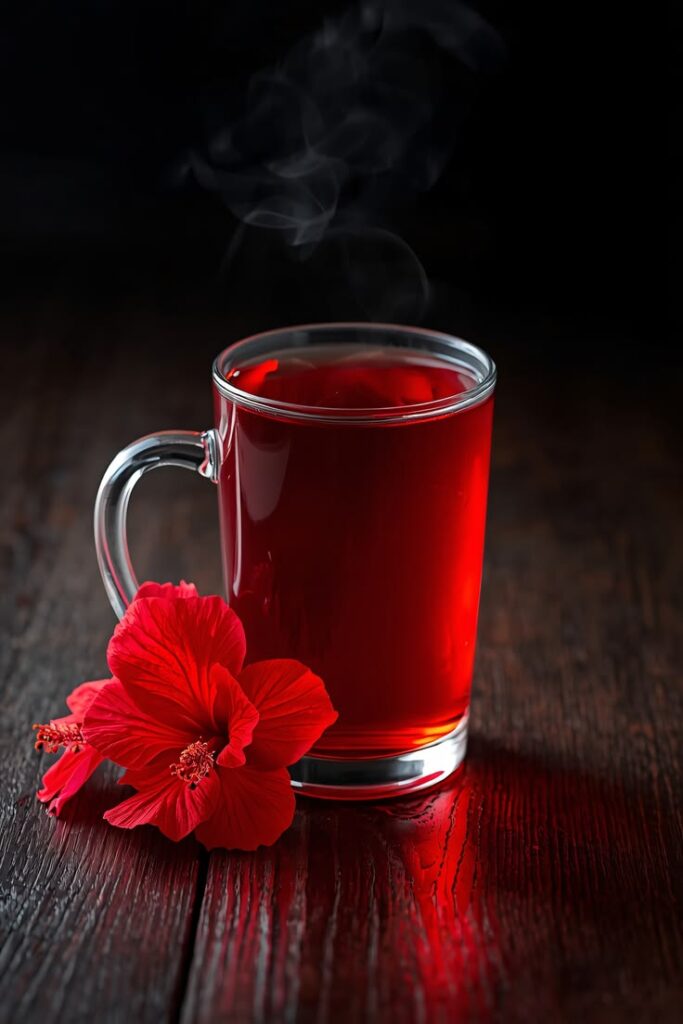
Hibiscus tea is naturally tart and bright red in colour. Whether you drink it hot or cold, this is a beverage that you can delight in year-round.
Hibiscus tea alone without anything added contains no caffeine. Hibiscus has been researched for its effects on blood pressure and other health markers but the evidence for direct weight loss is still limited.
5. Black Tea
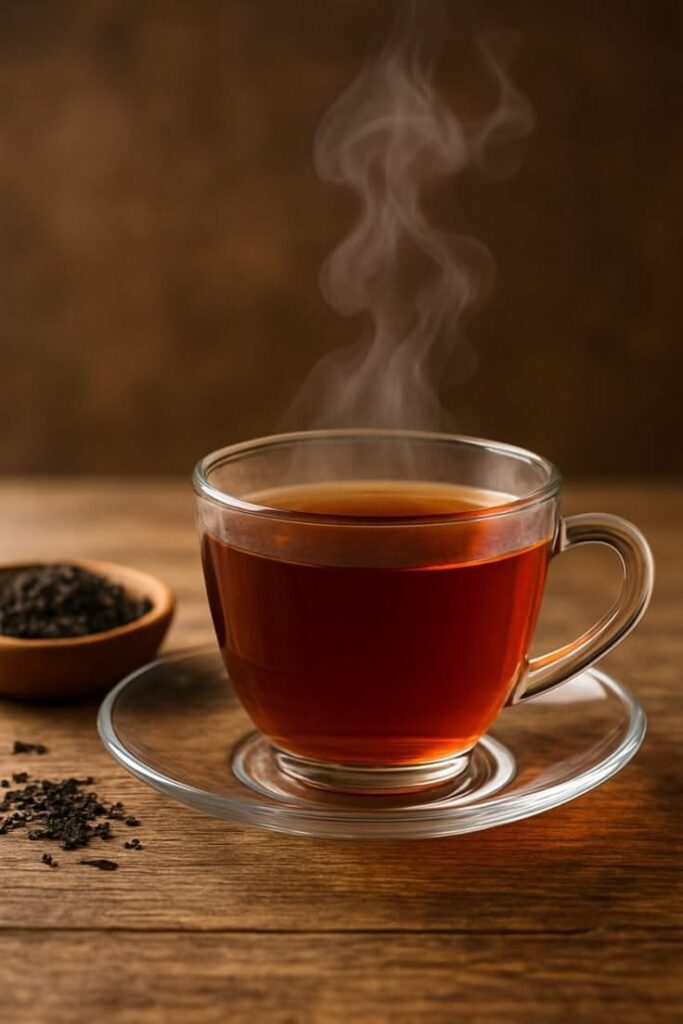
Black tea is still a household favourite in many Indian homes. It has caffeine and plant compounds known as theaflavins and thearubigins.
Black tea has been researched for a few other health-related effects, but the evidence does not substantiate its promotion as a weight-loss-drink.
Most of the practical value resides in the way it is prepared. Black tea without sugar has minimal calories, but if you put a lot of sugar in it, the calorie content will rise.
You do not have to stop drinking black tea if you like it. Just try to reflect on your whole diet, don’t expect tea by itself to make you lose weight.
6. Ayurvedic Herbal Tea
Ayurvedic herbal tea blends often include familiar Indian ingredients such as ginger, cumin, fennel, ajwain, and tulsi. Some blends also contain other herbs and traditional botanicals.
People choose these ingredients for their flavour, traditional uses, and place in everyday wellness routines. Certain herbs have also attracted scientific interest for their possible digestive or metabolic effects.
However, traditional use does not prove that a particular blend causes weight loss. Researchers need product-specific clinical evidence to establish such claims.
Before buying an Ayurvedic herbal tea, check the ingredient list, serving instructions, manufacturer information, and safety warnings.
A well-labelled product helps you understand what you are drinking and whether its ingredients suit your needs.
Herbal Tea Comparison: Which One Should You Choose?
Use this table to compare popular tea varieties and their available evidence.
| Tea type | Main ingredients or compounds | Evidence for weight management | Caffeine |
|---|---|---|---|
| Green tea | Catechins, including EGCG | Some studies report small effects; results vary | Yes |
| Ginger tea | Gingerols and related compounds | Limited evidence for direct weight loss | Usually no |
| Oolong tea | Tea polyphenols | Limited evidence for weight-related benefits | Yes |
| Hibiscus tea | Anthocyanins and other polyphenols | Limited evidence for direct weight loss | No, if pure |
| Black tea | Theaflavins and thearubigins | Insufficient evidence for substantial weight loss | Yes |
| Ayurvedic herbal tea | Varies by formulation | Depends on the ingredients and available research | Depends on ingredients |
The actual caffeine content depends on the tea variety, serving size, preparation method, and formulation.
How to Choose the Right Herbal Tea for Your Daily Routine
You do not need to choose a tea simply because its packaging promises fast results. Instead, focus on its ingredients, taste, and suitability for your routine.
Check the ingredients carefully
Read the label before buying a herbal tea blend. Look for clearly listed ingredients, serving instructions, and relevant safety information.
If a blend contains several herbs, remember that each ingredient may have different effects and precautions.
Choose a tea that suits your caffeine preference
Green tea, black tea, and oolong tea usually contain caffeine. Pure ginger and hibiscus infusions generally do not.
If caffeine makes you restless or affects your sleep, a caffeine-free tea may be a better option.
Avoid unrealistic detox claims
Some products use words such as “detox,” “slimming,” and “fat burner” to attract buyers. These labels do not prove that a tea removes toxins or reduces body fat.
Be particularly careful with products that contain senna or other laxative ingredients. They may cause temporary fluid loss rather than fat loss, and inappropriate use can lead to dehydration and electrolyte problems.
Look for transparent product information
Choose products that clearly identify their ingredients and provide understandable preparation instructions. Avoid relying on claims such as instant results, guaranteed fat burning, or dramatic changes within a few days.
Consider your everyday preferences
The best beverage for your routine is one you enjoy and can consume appropriately. Taste, caffeine content, preparation time, and ingredient suitability all matter.
Final Thoughts: Is Herbal Tea Worth Trying for Weight Management?
Herbal tea can be a simple and enjoyable addition to your daily routine. However, its benefits depend on the ingredients, the available scientific evidence, and your overall habits.
Green tea has received considerable attention in weight-management research, but the observed effects remain modest and inconsistent. Ginger, hibiscus, and Ayurvedic herbal infusions offer different flavours and may help you choose alternatives to sugary drinks, although strong evidence for substantial direct weight loss remains limited.
Rather than expecting one drink to transform your health, focus on balanced nutrition, sufficient sleep, regular movement, and sensible beverage choices.
Choose herbal tea for its flavour and suitability, understand what its ingredients can realistically offer, and avoid products that promise guaranteed or instant results.
Frequently Asked Questions
Which herbal tea is best for weight loss?
Green tea has more research behind it than many other teas for weight-related outcomes. However, studies suggest that its effects are generally modest, and it does not guarantee weight loss.
Can herbal tea help reduce body fat?
Some research has explored green tea and fat oxidation, but the results vary. No herbal tea has been established as a reliable standalone method for reducing body fat.
Is Ayurvedic herbal tea good for weight management?
Ayurvedic herbal tea can be part of a balanced routine. Its suitability depends on its ingredients, preparation, and individual needs. Traditional use alone does not prove that a blend causes weight loss.
Is caffeine-free herbal tea a good choice?
Pure ginger and hibiscus infusions offer caffeine-free options. They can add variety to your routine and replace sugary drinks, although they have limited evidence for direct weight loss.
Can I drink herbal tea every day?
That depends on the tea’s ingredients, caffeine content, amount consumed, medicines, and your individual circumstances. Follow product instructions and seek professional advice when needed.
Do detox teas really help with weight loss?
There is insufficient evidence that detox teas reliably produce lasting fat loss. Some products contain laxative ingredients that can cause fluid loss and other health problems.
Is green tea better than ginger tea for weight loss?
Green tea has a larger body of research on weight-related outcomes. Researchers have also studied ginger, but evidence does not establish ginger tea as a reliable weight-loss treatment.
Can herbal tea replace meals?
No. Herbal tea does not provide all the energy and nutrients your body needs. Enjoy it as a beverage rather than a meal replacement.
How long does herbal tea take to show results?
There is no reliable timeline for weight-related results from herbal tea. Be cautious of products that promise guaranteed changes within a few days.
What should I check before buying herbal tea?
Read the ingredient list, preparation instructions, manufacturer information, caffeine content, and safety warnings. Avoid relying on unsupported promises of instant fat burning or guaranteed weight loss.